端duān
to hold level, carry with both hands. 14 strokes, radical 立, first met in HSK 6.
What 端 is made of
立 (lì, to stand) and 耑 (duān, specialized).
立 carries the meaning — stand — and 耑 carries the sound.
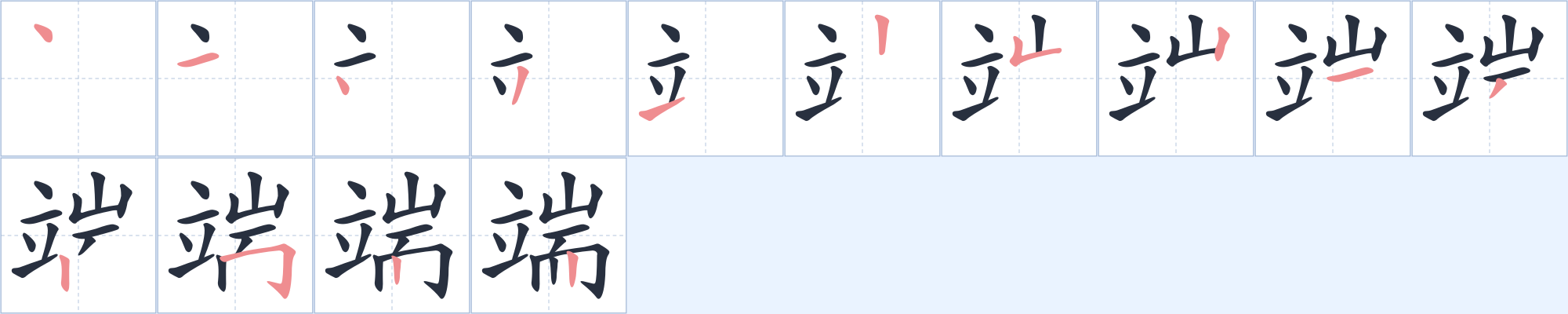
How to write 端
Strokes 1–5 write 立, then strokes 6–14 write 耑.
Free, with no account: the app draws each stroke, then you write it and it says which stroke went wrong.
Print a 米字格 practice sheet for 端
Words that use 端
| 端 | to hold level, carry with both hands 指用双手平举着拿东西 非遗传承人双手平端热气腾腾的五彩粽子犒劳队员。The heritage bearer carried steaming rice dumplings with both hands to treat the team. Lesson 571, 文化传承 · 笃行实干与大爱无疆 · Civic Valor & Humanitarian Compassion |
| 极端 | extreme 指达到顶点,超乎寻常 即使在严寒极端天气下。Even in bitterly cold, extreme weather, they kept working. Lesson 596, 仁心化吉 · 融通万象与百业繁盛 · System Dynamics, Industry & Societal Flourishing |
| 端午节 | Dragon Boat Festival 指农历五月初五的传统节日 端午节期间,健儿们蹲在龙舟上英勇对抗急流。During the Dragon Boat Festival, athletes fought the rapids on dragon boats. Lesson 571, 文化传承 · 笃行实干与大爱无疆 · Civic Valor & Humanitarian Compassion |
More characters with the radical 立
All 8 of them, and what the radical means, on the 立 radical page.