睡shuì
to sleep, to doze. 13 strokes, radical 目, first met in HSK 2.
What 睡 is made of
目 (mù, eye) and 垂 (chuí, to hang).
目 carries the meaning — eye — and 垂 carries the sound.
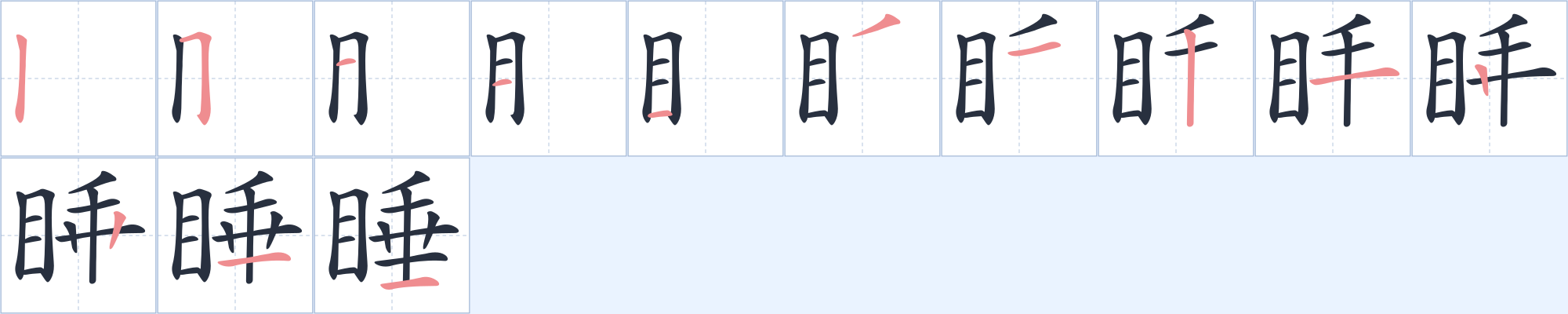
How to write 睡
Strokes 1–5 write 目, then strokes 6–13 write 垂.
Free, with no account: the app draws each stroke, then you write it and it says which stroke went wrong.
Print a 米字格 practice sheet for 睡
Words that use 睡
| 午睡 | to nap 指中午小睡一会儿 他小憩片刻安静午睡。He rested a while and quietly napped. Lesson 79, 问路 · 怀瑾握瑜与笃行致远 · Living Integrity, Broad Horizons & Harmonious Routine |
| 睡着 | to fall asleep 开始进入睡眠状态 不一会儿,孩子就安静地睡着了。After a little while, the child quietly fell asleep. Lesson 341, 阶柳庭花与静卧怡然 · 登台论道与绿意怡然 · Thoughtful Discourse & Green Living |
| 睡眠 | sleep 指人或动物闭目休息的生理状态 专家守护流域百姓安宁睡眠。The expert safeguarded residents' peaceful sleep. Lesson 487, 水利安澜 · 安居乐业与厚积薄发 · Serene Industry & Striving Resilience |
More characters with the radical 目
All 16 of them, and what the radical means, on the 目 radical page.